




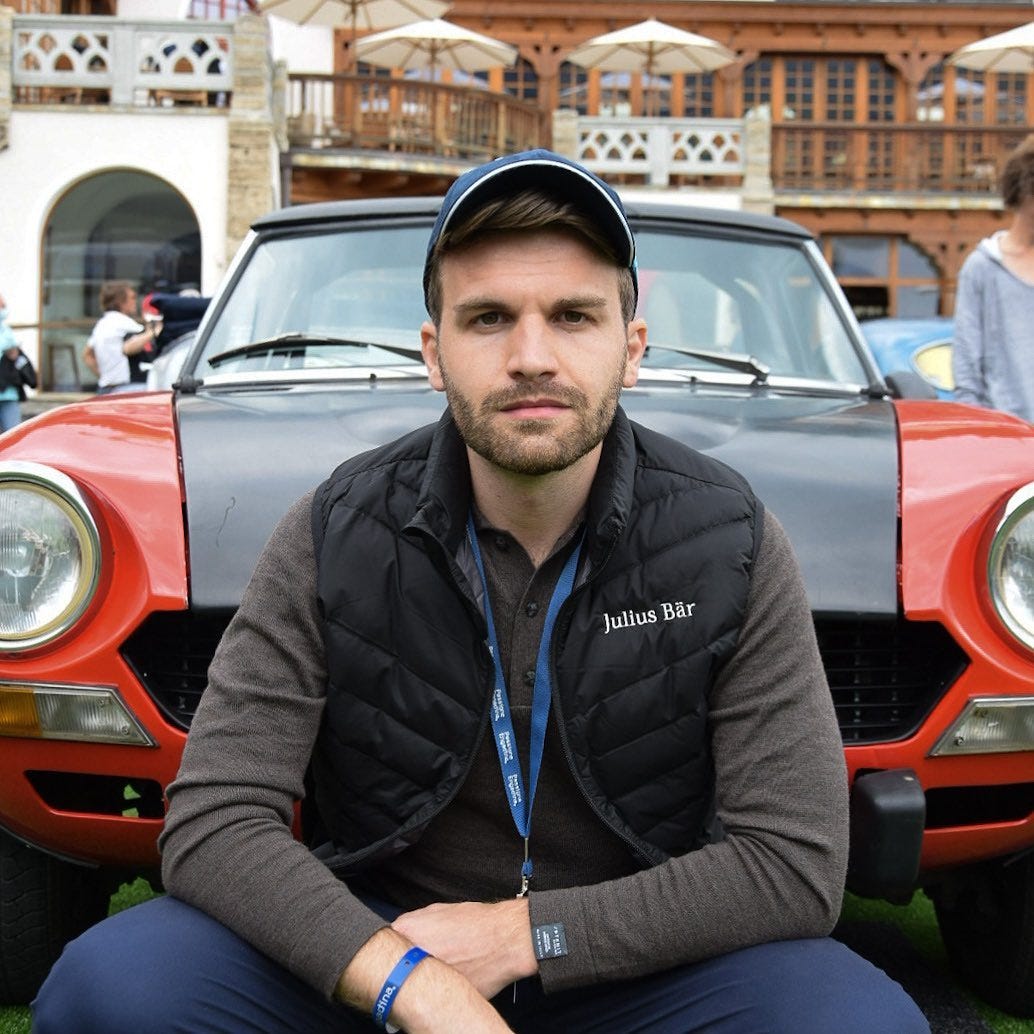
Every year near St. Moritz in the Swiss Alps, one of the most intoxicating displays of Italian motoring takes place. For three days, vintage Alfa Romeos, Ferraris, and other hand-built instruments of speed and elegance wind through the alpine roads of Switzerland’s Engadin valley during the Passione Engadina, gathering collectors, enthusiasts, and drivers from across Europe.
Only three years after taking a chance on an idea, Alessandro Coltro found himself in the passenger seat of one of these cars as co-driver to former Formula One driver and commentator Ivan Capelli, an experience many automotive enthusiasts could only dream of. For those three glorious days, Alessandro and Ivan moved through the Alps in vintage Italian motor cars, albeit not always in comfort, stopping along the way with collectors, drivers, and enthusiasts who shared the same appreciation for beautifully made things.
At one point during the rally, their original car broke down entirely and had to be replaced with a Fiat 124. But when Alessandro spoke to me about this experience back at his home base in Milan, what interested him most was not simply the scenery, or even the machinery itself. In fact, he admitted he could barely remember what kind of car they had originally been driving, only that it was beautiful.
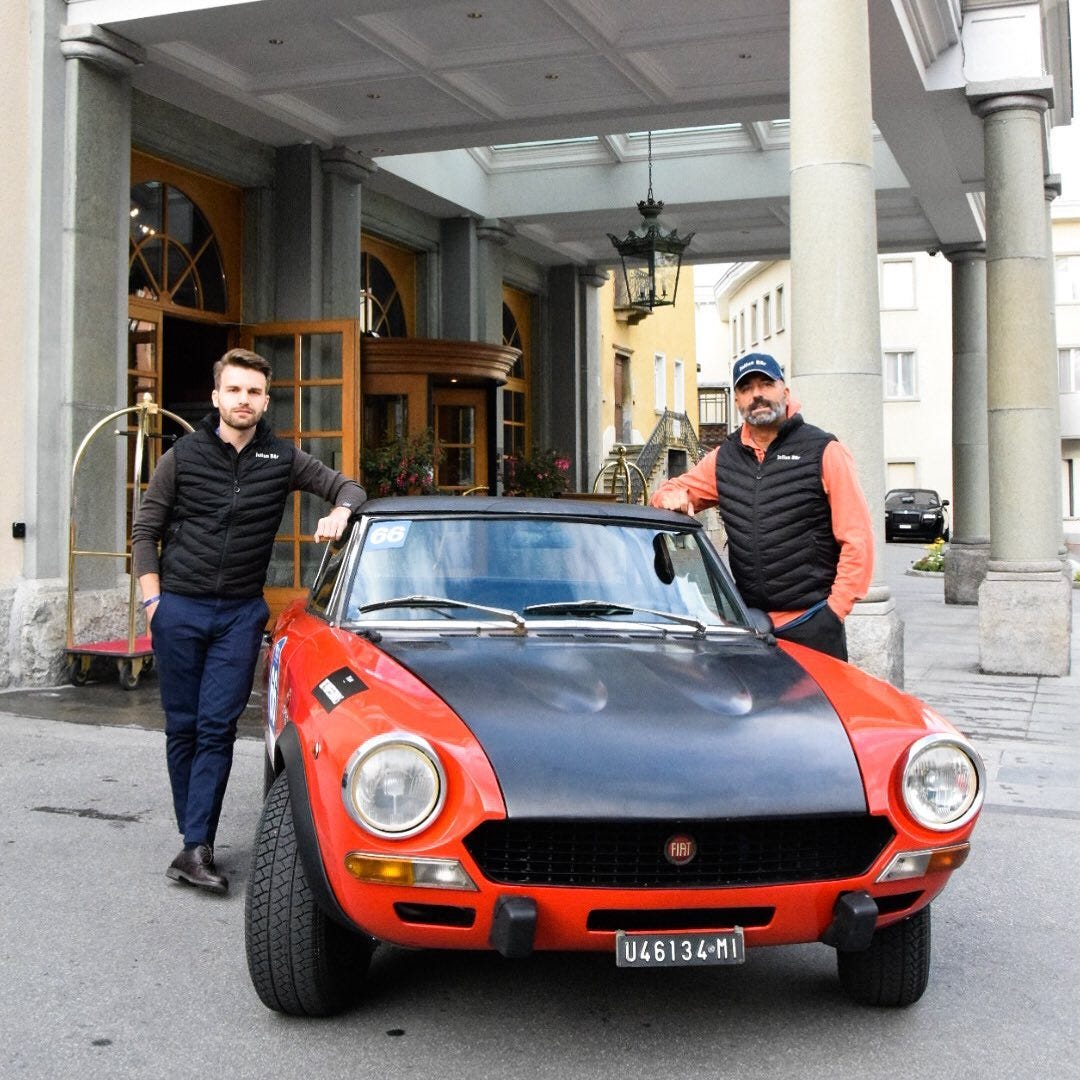
What stayed with him were the people. A community of like-minded individuals brought together through a shared appreciation for craftsmanship, engineering, style, and a slower, more intentional way of life. In many ways, it felt like a physical manifestation of the very thing Alessandro had spent those previous three years building.
In 2017, he founded Gents Cafe, a Milan-based men’s lifestyle publication and community centered around style, culture, and what it means to be a modern gentleman. At first, it existed only as an Instagram page, a creative outlet where Alessandro could explore and share his growing interest in classic menswear and design. But over time, it evolved into something much larger: an international community of men connected less by the products themselves, and more by the values and lifestyle surrounding them.
Growing up in Milan, Alessandro was always fascinated by building things. Even as a young kid, with an eye for art and design and a knack for entrepreneurship, he spent his time making intricate trees out of copper wire and selling them as a hobby. Though he jokes that most of his customers were family members, it gave him a first taste of creating something people wanted, a feeling that never left him.
The next passion was born the moment Alessandro’s father brought home the family’s first computer. Enthralled by everything the machine could do, he began imagining all the things he could build with it. It was a whole new world waiting to be built.
At school, he majored in computer engineering at Politecnico di Milano, Italy’s largest technical university. It was there that his interest in business returned as he discovered startup culture, which was starting to take off in Milan at the time. But as he entered his master’s program, the idea of spending every day writing code started to give him second thoughts.
“I mean honestly, I didn’t like the idea of putting a label on myself… I wanted to do a lot of things and I like to develop ideas. I like to think about business. I like to interact with people. Seeing myself as just a coder didn’t fit all of those other things.”
For Alessandro, learning to code had become a means to an end. That end: obtaining the skills he needed to build out his ideas in a new digital world. And, with his first idea for a startup, he left school, and gave himself six months to make his idea work. He found a technical co-founder, though it’s hard to believe he needed one, as he sees himself as the idea/business guy, and within four months they had investors.
Though ultimately the idea—an app built to help people find a dish they are craving in whatever city they happen to be in—failed after they discovered it didn’t really have a market fit. It taught him a great deal. He explained to me, “I didn’t see failure as a taboo. For me it was just part of the learning process.” Months later, after closing the business, a journalist writing about hot new startups in Milan contacted Alessandro, asking him for an interview.
After telling the journalist they unfortunately had to shut down the startup, the writer changed tactics, asking if he could talk about why he thought the business had failed and what he had learned from the experience. The interview was given, and the article was released to a great deal of interest and feedback from readers who related to his story.
This one article led to a six-month speaking tour, where he stood before crowds of fellow startup founders tackling the subject of failure.
Around this time, Alessandro’s interest in classic menswear began to move to the forefront of his mind. He started the Gents Cafe Instagram page as a creative outlet to explore and express his growing sense of style, while also using it as a kind of business card to establish himself within Milan’s menswear world. For his next major venture, the business itself would follow that passion.
His second startup idea was an influencer marketing platform built specifically for the menswear industry, connecting brands with creators and publications in the space. He had a new co-founder, investors, and interested clients ready to work with him. Everything was set to launch alongside the biggest menswear event in the world: Pitti Uomo.
Every year, twice a year, stylish men from around the world descend upon Florence for the legendary trade show. Tailors, shirt makers, shoemakers, brands, publications, photographers, and buyers flood into the Renaissance city dressed in soft tailoring, suede loafers, silk ties, and sunglasses under the Tuscan sun. For a few days, Florence becomes the center of the menswear world, and finally, Alessandro was positioned perfectly to take advantage of it.
There was just one problem. It was March 2020, and the entire world shut down. Pitti Uomo was canceled, and with it Alessandro’s business. Another idea, another startup, gone. Not because it wasn’t a good idea, but for reasons out of his control.
Again, back at square one, he moved on and didn’t look back.
Building The Community
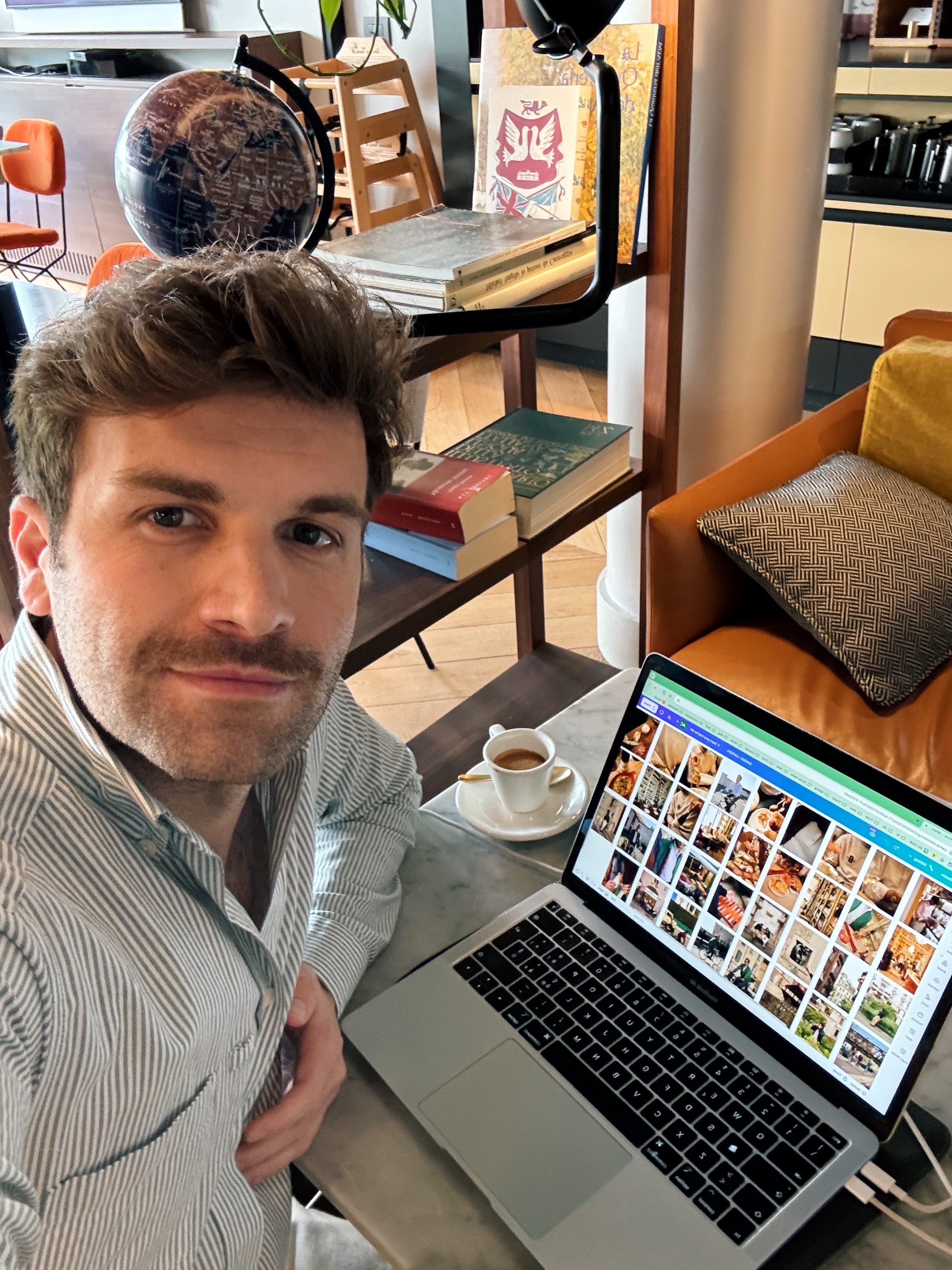
As the Gents Cafe Instagram continued to grow, Alessandro began to realize something important. Menswear itself was never really the point.
“The products you buy was a very superficial approach,” he explained. “People like to connect with people who have the same passion… but they see these topics as a conversation starter.”
What interested him was what existed underneath the clothing itself: the conversations, friendships, ideas, rituals, and sense of belonging that formed around shared interests.
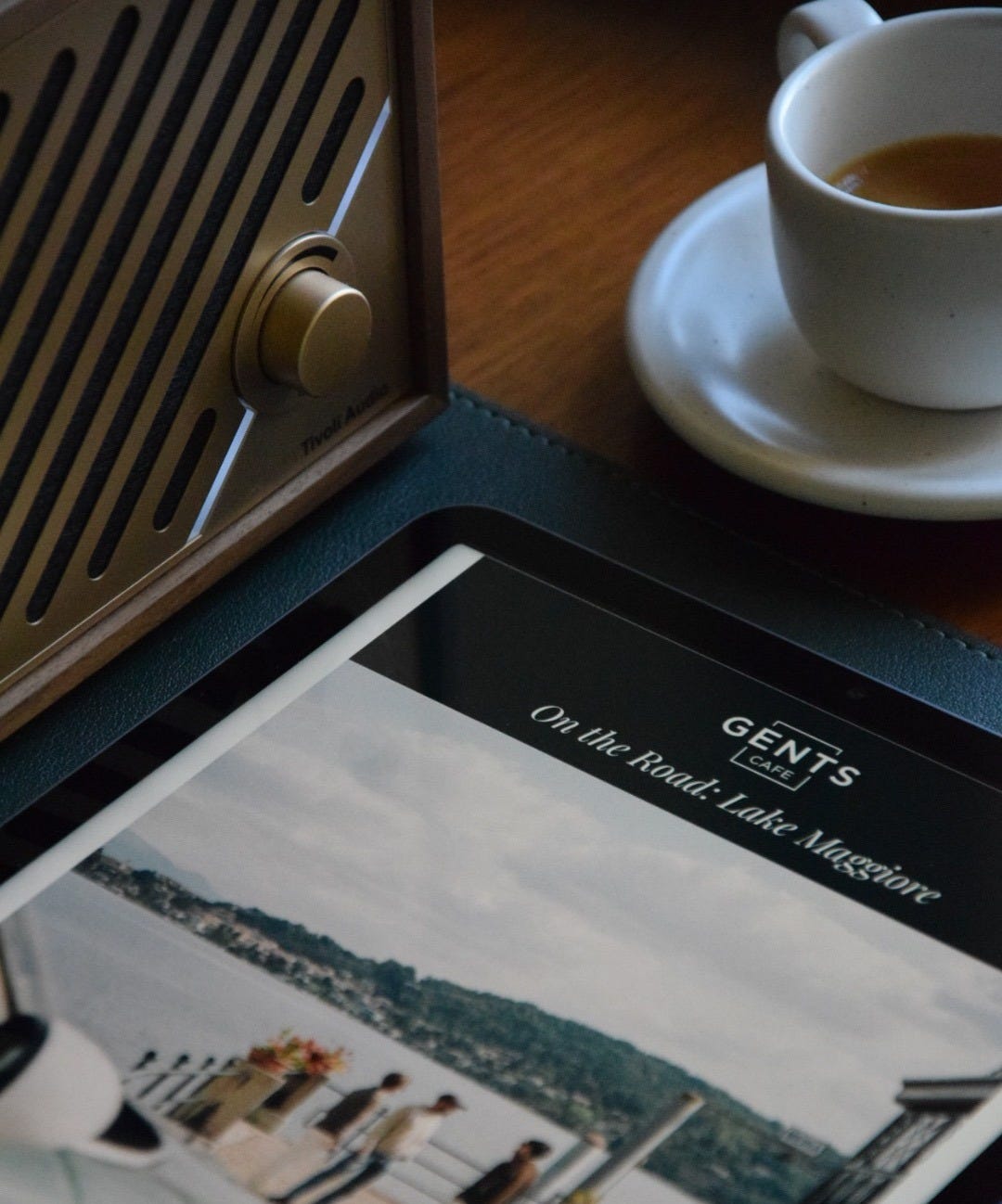
So Alessandro launched the Gents Cafe newsletter. Unlike social media, which he feels often encourages shallow interactions and endless scrolling, the newsletter allowed for something more personal and intimate. “You are allowing someone else to get into your inbox... which somehow is a private space.”
At first, the newsletter mostly consisted of Alessandro curating and sharing interesting articles, brands, and ideas with his fast-growing audience. But after some time, something unexpected started to happen. Readers began reaching out to him directly, asking if they could contribute pieces of their own.
The first was a Danish man who simply admired what Alessandro was building and wanted to write about cocktails and men’s lifestyle topics he was passionate about. He wasn’t asking to be paid. He simply wanted to contribute.
“It sounds to me weird that someone would be willing to write basically for free,” Alessandro admitted. “I perceived truly that he was passionate and probably we were aligned in terms of values.”
More contributors followed, and now, more than thirty writers from around the world have contributed to Gents Cafe, drawn not by the prestige of writing for a major magazine with a celebrity on the cover, but by a shared passion for the subjects themselves.
“The community has always been at the core of the project,” Alessandro explained. “I always invested a lot of effort into building a community and not just an audience. I didn’t like the idea of just creating a media company, putting out content and having an audience consuming it.”
Normally, the direction of a publication is shaped by the tastes and interests of the people behind it. The best magazines feel like a direct reflection of their founders. Early Playboy, for example, was unmistakably Hugh Hefner.
But over time, many publications broaden themselves in pursuit of larger audiences and market share, often alienating the readers who were drawn to them in the first place. In the case of magazines like GQ and Esquire, the transformation has been so dramatic that they almost cease to feel recognizable as men’s magazines at all.
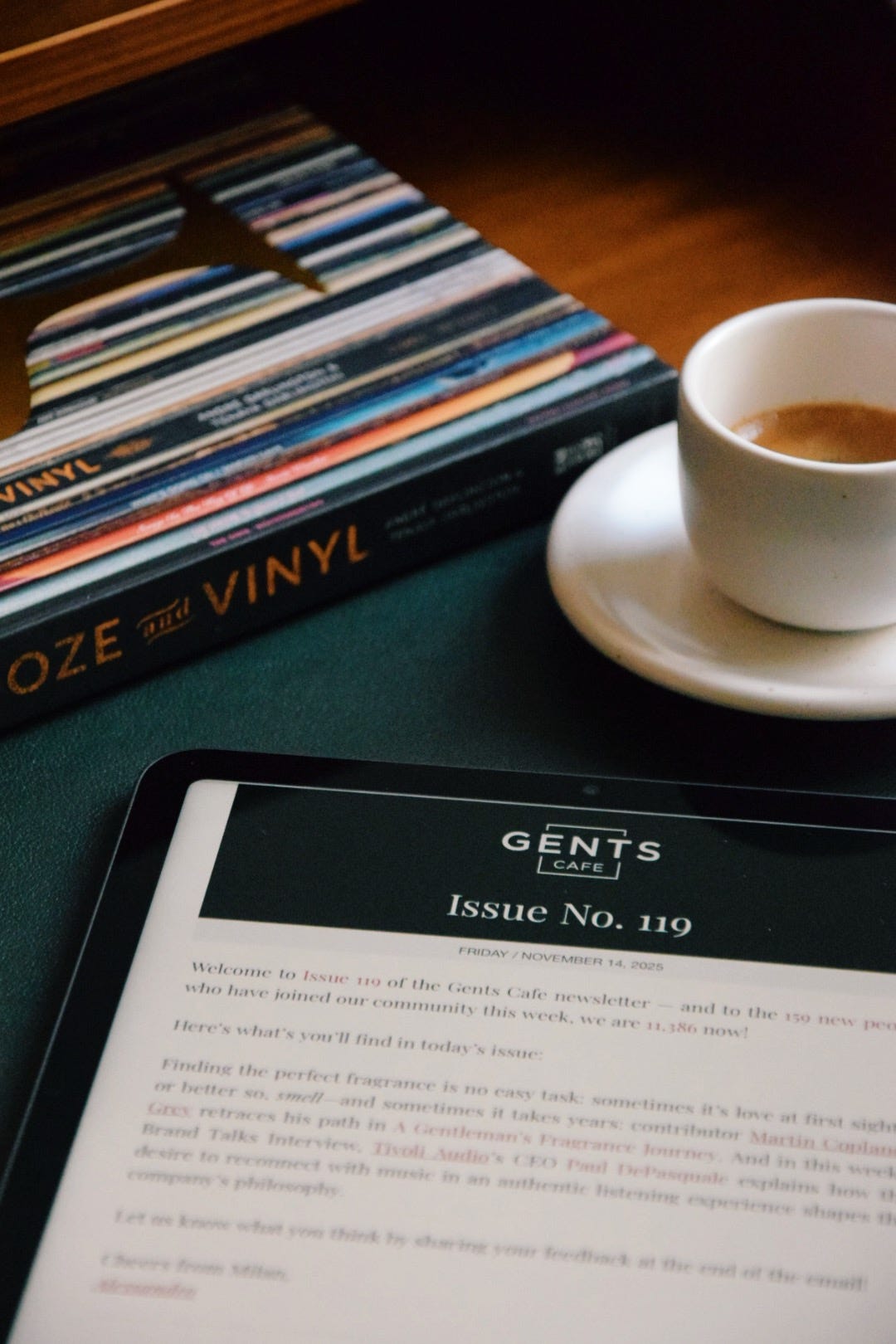
Gents Cafe has taken a different approach. Because of its community-driven nature, the audience itself helps shape the topics and conversations the publication explores.
“It’s about being open-minded. When someone reached out to me to write on a topic that at the time seemed a little far away from what we normally cover, I realized that was the power of Gents Cafe.”
One such example came when a contributor pitched an article about male infertility, a subject many men’s lifestyle publications likely wouldn’t touch with a ten-foot pole. Alessandro wasn’t initially sure the piece belonged in Gents Cafe, but because the idea came directly from the community, he decided to publish it.
The response was overwhelming. The article became one of the publication’s most praised pieces, connecting with far more men than Alessandro had expected.
One article I first read after finding out about the publication was entitled “A Postcard From Lake Como,” which details a weekend road trip Alessandro took with three friends around the famous Italian lake, while drinking Americanos and Negronis and driving a 1973 1.3-liter Alfa Romeo Duetto Spider. A two-seater, although as he explains in the article, “The Alfa Duetto is in fact a four-seater. We’re just not sure where the rear ones are…”
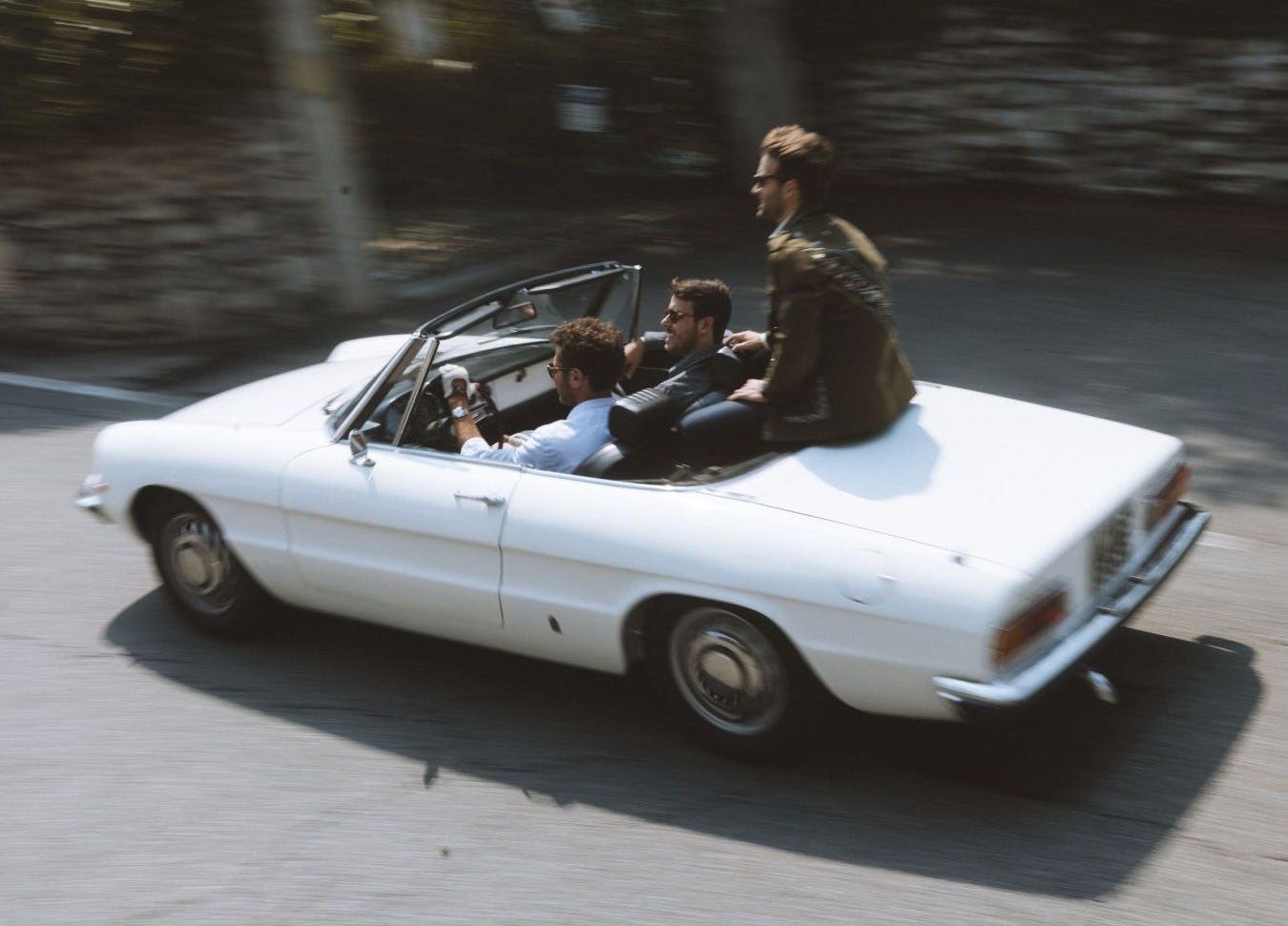
To me, it was a weekend out of a dream. I could hear the engine racing around the curves, feel the cool breeze coming off the lake, and imagine the taste of the well-made cocktail. From then, I was hooked.
When I asked Alessandro about his life in Milan, he described a city that has transformed over the last decade from a traditional Italian business capital into something far more international and interconnected.
“You can connect with many different people from different parts of the world. You have a lot of events. There’s also a lot of FOMO here.”
But despite the constant opportunities and energy surrounding the city, he says he has gradually learned to take a more intentional approach to his time.
“I’ve learned that you don’t need to go to every event because maybe there’s an opportunity there. I think it’s important to be more selective and protect your time.”

That intentionality comes into everything he does. He spoke about style less as a strict set of rules and more as something personal. A well-worn watch, an unusual jacket, a specific pair of shoes — the kinds of details that make you curious enough to ask someone about someone’s choices. For Alessandro, the most stylish people are often the ones who look comfortable in what they wear because it genuinely reflects who they are. And more often than not, those details become the beginning of a conversation.
His own style reflects that same philosophy. Relaxed but intentional, elegant without feeling overly studied. The sort of style that seems to come naturally to many Italians, what they would call sprezzatura. He told me about his obviously stylish parents, who clearly believed it was never too early to introduce a child to good tailoring, dressing him in a three-piece suit one Christmas, and how growing up around stylish friends in Milan naturally sharpened his eye over time.
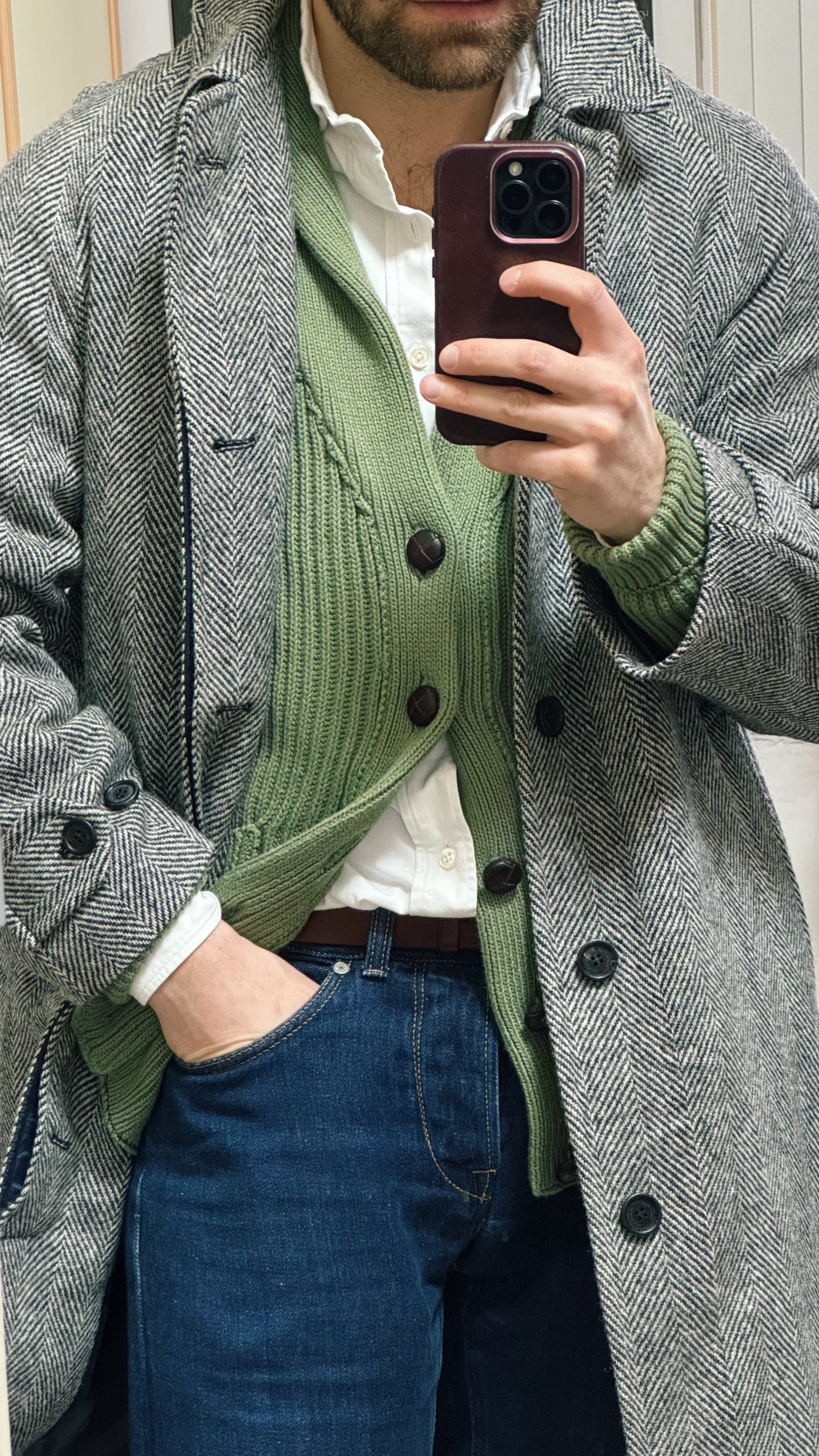
When meeting people at events in Milan and at Pitti Uomo, he explains, “I truly appreciate people that are wearing something that’s unique, and how that becomes an opportunity to ask a question and then you get a story about why they wear it.”
That world of style, conversation, cafés, and fashion events in Milan helps explain why, despite his deep roots in the startup world, Alessandro never ultimately felt the need to move somewhere like San Francisco.
At one point in our conversation, I asked him whether he had ever seriously considered leaving Italy to immerse himself fully in the American startup scene. On paper, it almost seems like the obvious path for someone with his entrepreneurial mindset.
“I think Milan has a very good balance between opportunities and quality of life. I never wanted to go anywhere else,” he says.
“Especially in the startup world, there’s this hustle culture where you always need to do more, achieve more… and I think at some point you risk forgetting to enjoy what you already built.”
After commenting on and asking about my own experiences with hustle culture in the United States, which he admitted he does admire in certain ways, I found myself agreeing that the European ability to appreciate the present moment can be a refreshing change of pace for people who still work hard.
“I think in Italy we still value a slower pace of life. Taking time for lunch, coffee, spending time with friends… these are not seen as wasted time.”
Alessandro certainly appreciates his coffee. As we spoke about our mutual obsession with grinding and brewing our own beans, I showed him the Chemex sitting on my desk. In return, he told me about his own morning coffee ritual and what those slow fifteen or twenty minutes of preparation mean to him.
“Maybe it takes 20 minutes to make yourself a coffee, which may sound crazy, but I think the act of doing that and being focused on what you’re doing… I see it as a form of meditation.”
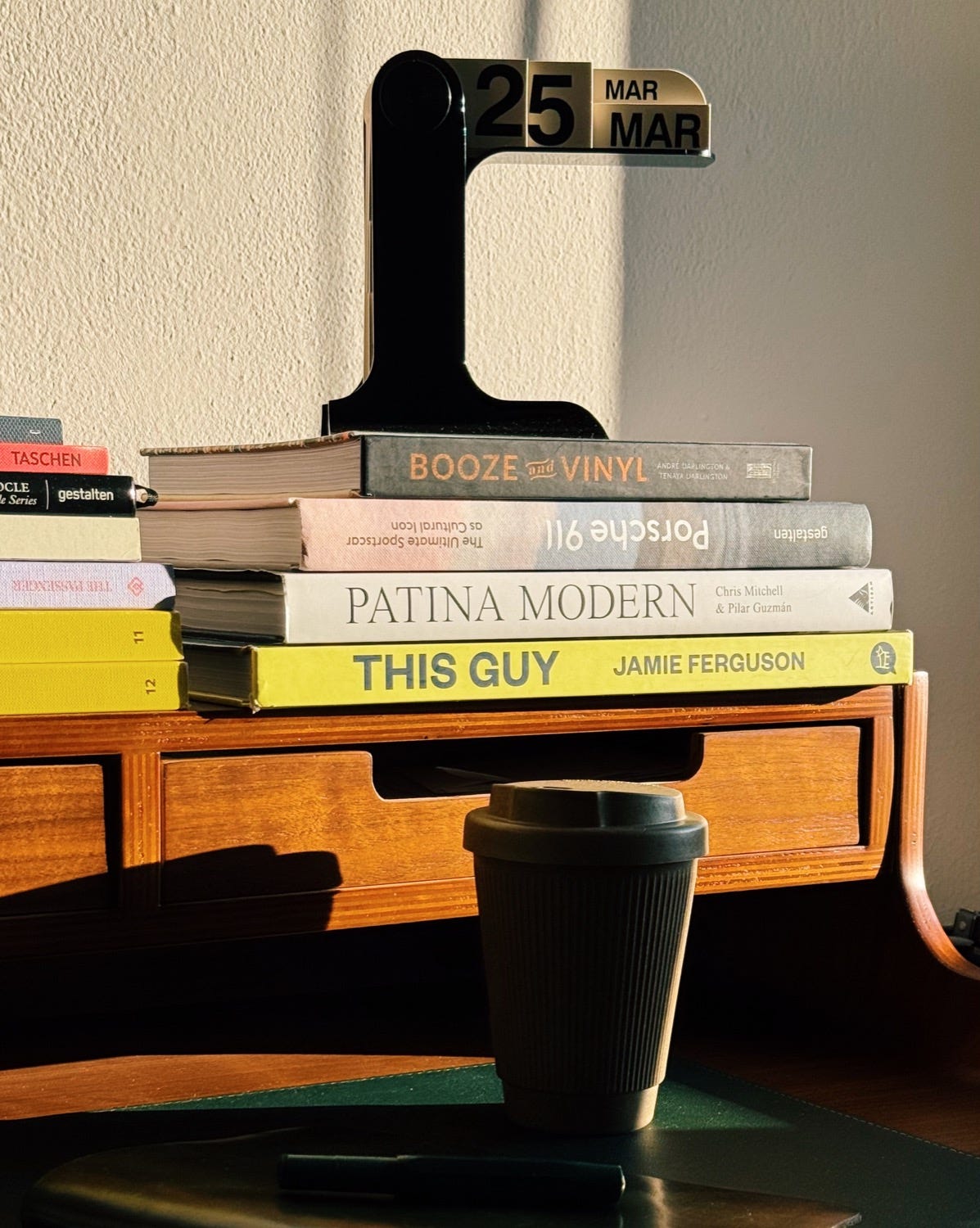
It’s hard not to see that same philosophy reflected throughout Gents Cafe itself. A publication centered around slowing down long enough to appreciate craftsmanship, conversation, ritual, and the richness that can still exist in everyday life.
As Alessandro put it, “Sometimes you are so focused on the next step that you don’t appreciate the stage you are currently living.” For him, this hit home. I am one to always live in the future, dreaming of what it can be, continuously ambitious, but never in the now. Perhaps he is right.
As for the future of Gents Cafe, Alessandro wants to create some kind of physical media. As a collector of indie magazines and coffee table books, he loves the printed word. I could see a beautifully made coffee table book featuring Gents Cafe’s best articles and images. A little like those special print editions of Monocle, designed to be enjoyed with a coffee on a Saturday.
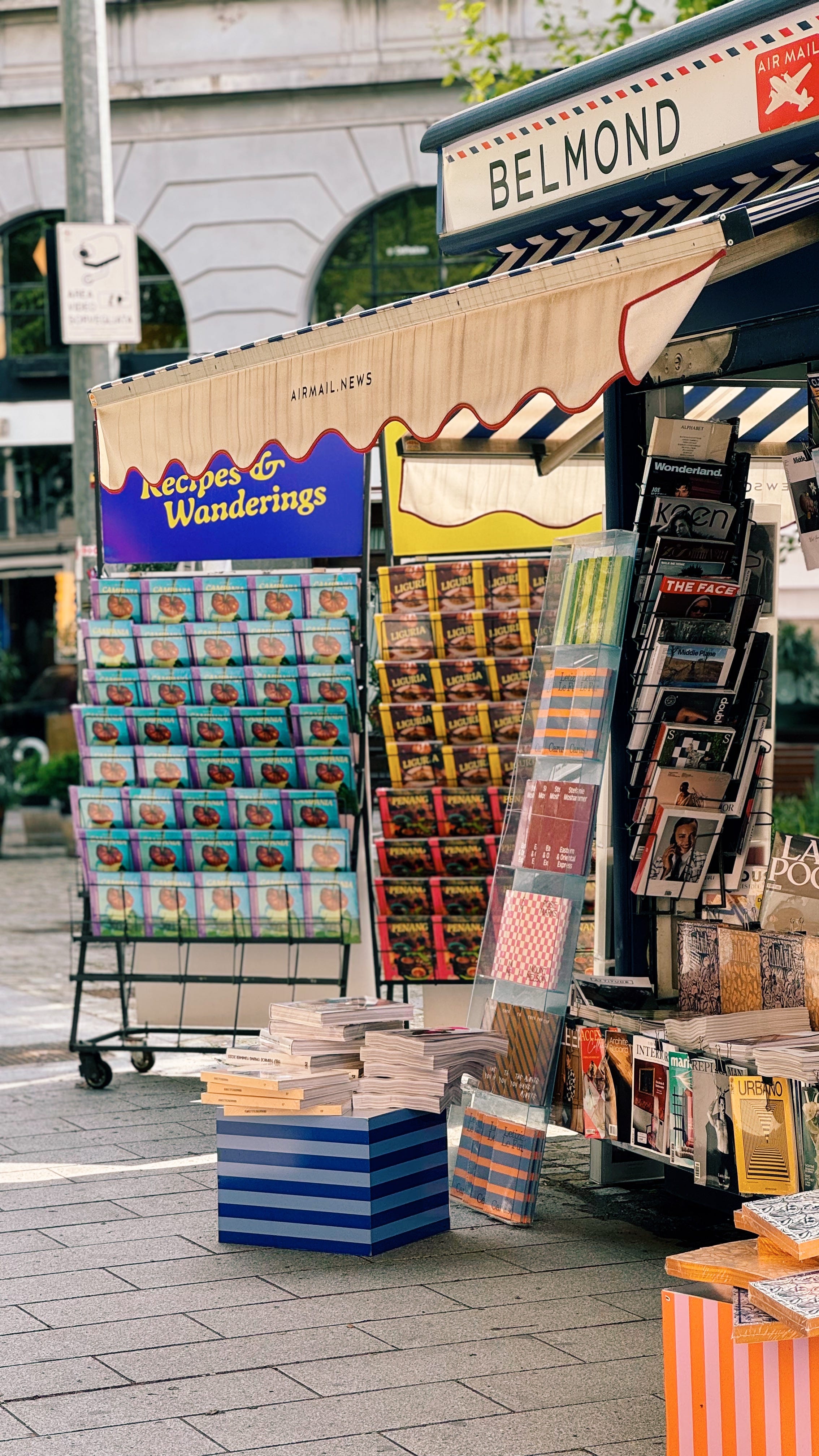
Alessandro also wants to grow the events that Gents Cafe hosts. The kind where the digital café he created can become a physical space for readers to create actual, in-person connections.
Overall, he wants to keep building, because that’s what he loves to do. Not for the attention, but the connection. Whether through his newsletter or in the passenger seat of a vintage Italian motor car in the Swiss Alps next to a former Formula One driver, meeting exactly the kind of men who should, and probably all will be, readers of Gents Cafe.
Subscribe for more articles like this on style, travel, and living intentionally.
Also check out Gents Cafe on their site and on instagram.
This was terrific. Thank you.
Great article